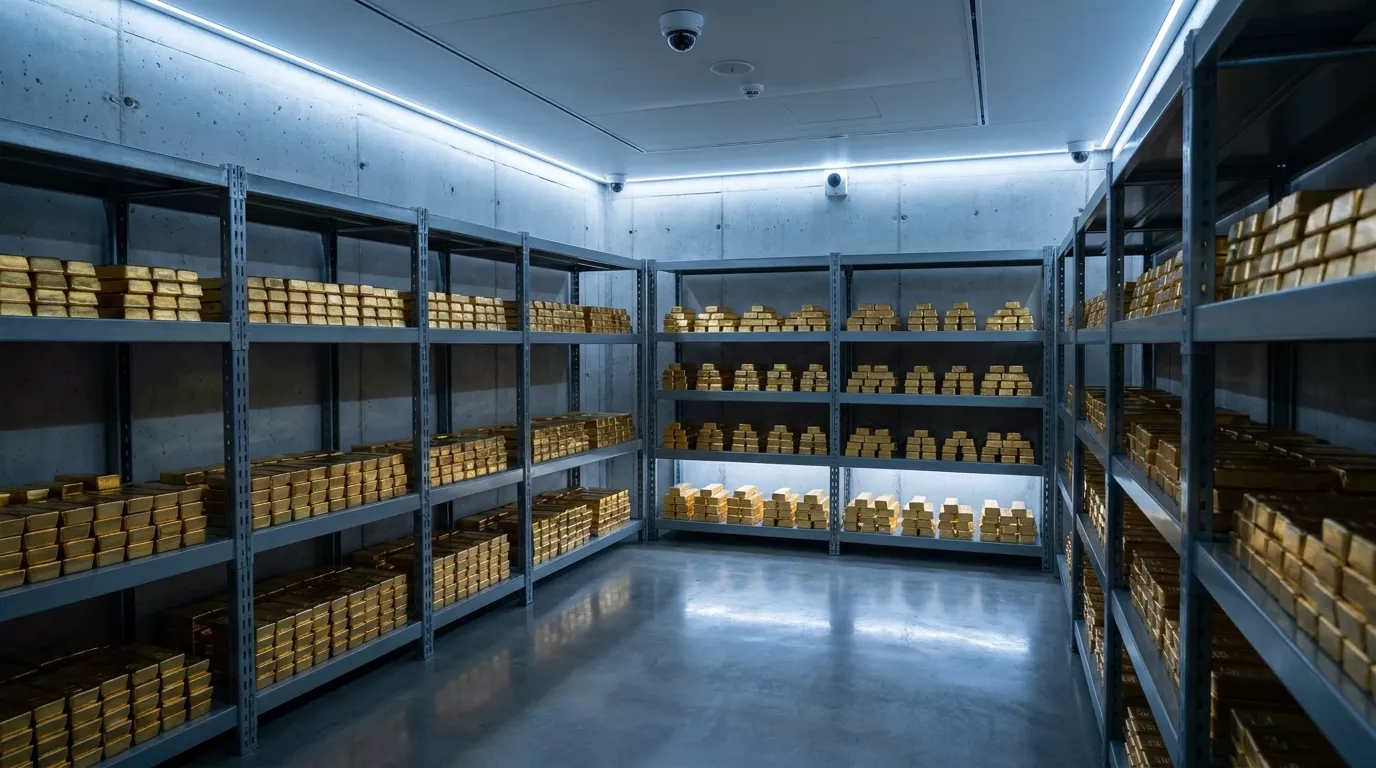
When you hold precious metals inside an IRA, you can't keep them on the nightstand. The IRS requires that the metals be held by an approved depository — a specialized, insured vault. Here's how that custody actually works and the choices you'll make.
What An IRS-Approved Depository Is
A depository is a high-security, fully insured facility that stores precious metals on behalf of IRA holders. The best-known names in the sector — the Delaware Depository, Brink's, Loomis, and International Depository Services — handle storage, insurance, and audited record-keeping so your account stays compliant.
Segregated vs. Commingled Storage
You'll typically choose between two storage styles, and the difference is worth understanding.
- Segregated: your specific coins and bars are stored separately and returned to you as the exact items you bought. Usually costs a little more.
- Commingled (non-segregated): your metals are pooled with others of the same type; you're entitled to the equivalent amount, not the identical pieces. Usually slightly cheaper.
Many patriots prefer segregated storage for the peace of mind of holding their exact metals. Either way, the holdings are insured and audited.
The Home-Storage IRA Trap
You may see ads for 'home-storage' or 'checkbook' gold IRAs that promise you can keep IRA metals in a personal safe. Tread very carefully. The IRS requires IRA metals to be held by an approved trustee or depository, and arrangements that put the metals in your personal possession can be challenged as a taxable distribution — potentially triggering taxes and penalties. When in doubt, keep the metals in an approved depository and consult a licensed tax professional.
Storage and custody are part of every cost comparison. When you review companies, check which depositories they use and whether segregated storage is offered.
Frequently Asked Questions
Are metals in a depository insured?+
Yes. Reputable IRS-approved depositories carry insurance on stored holdings and maintain audited records. Confirm the specific coverage with the depository or your custodian.
Is segregated storage worth the extra cost?+
It depends on your preference. Segregated storage returns the exact coins and bars you purchased and typically costs slightly more; commingled storage is usually cheaper. Both are insured. Many investors choose segregated for added peace of mind.
Not Financial Advice. This content is for general education only and is not financial, tax, legal, or investment advice. Investing in precious metals carries risk, including loss of principal. Consult a licensed professional before making decisions.